
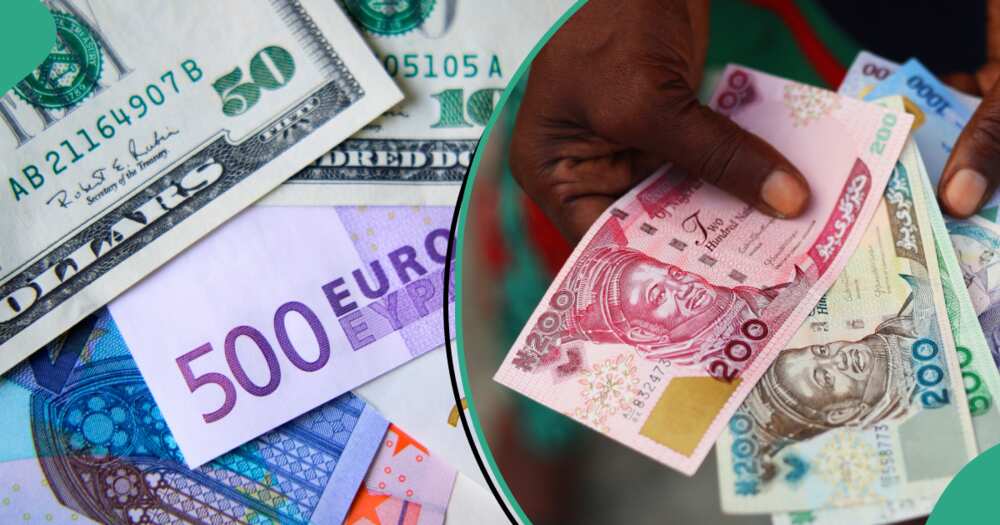
Nigeria is experiencing a foreign exchange crisis, as FX scarcity drives up the cost of exchanging Naira into US dollars, particularly in the parallel market.
Introduction
Foreign exchange (FX) scarcity is a pressing issue in Nigeria, affecting businesses, individuals, and the overall economy. Understanding its causes, challenges, and potential solutions is crucial for addressing this problem effectively.
Causes of FX Scarcity in Nigeria
Dependence on Oil Exports
Nigeria’s economy heavily relies on oil exports, which constitute the majority of its foreign exchange earnings. Fluctuations in global oil prices directly impact FX inflows. When oil prices drop, so do FX reserves, leading to scarcity.Declining Foreign Reserves
Reduced oil revenues, increased import demand, and capital flight have led to declining foreign reserves. Lower reserves limit the Central Bank of Nigeria’s (CBN) ability to stabilize the FX market.Import Dependency
Nigeria imports a significant portion of its goods, including essentials like food, machinery, and pharmaceuticals. High import demand increases the need for foreign currency, exacerbating FX scarcity.Exchange Rate Policies
The CBN’s multiple exchange rate system has created market distortions and speculation, leading to inefficiencies and increased pressure on available FX.Political and Economic Instability
Political and economic instability deter foreign investment and capital inflows. Issues such as security concerns and policy uncertainty reduce investor confidence, leading to decreased FX inflows.Challenges Posed by FX Scarcity
Inflation
Higher import costs due to FX scarcity contribute to inflation, as businesses pass on increased costs to consumers, leading to higher prices.Business Operations
Businesses reliant on imported raw materials and equipment face operational challenges, including production delays and increased costs, affecting competitiveness and profitability.Investment
FX scarcity deters both domestic and foreign investment. Investors are reluctant to invest in an uncertain environment where currency conversion and profit repatriation are challenging.Debt Servicing
Nigeria’s external debt obligations require foreign currency for servicing. FX scarcity strains the government’s ability to meet these obligations, potentially leading to defaults or higher borrowing costs.Standard of Living
Individuals face higher costs for imported goods and reduced availability of essentials, leading to decreased purchasing power and a lower standard of living.Solutions to FX Scarcity
Diversification of the Economy
Reducing dependence on oil exports by developing sectors like agriculture, manufacturing, and technology can create alternative sources of FX earnings.Improved Foreign Reserve Management
Effective management of foreign reserves, including accumulation during high oil price periods and prudent utilization during downturns, can stabilize the FX market.Encouraging Local Production
Promoting local production of goods currently imported can reduce FX demand. Incentives for domestic manufacturing and agriculture can achieve this goal.Stable and Transparent Exchange Rate Policies
Adopting a stable and transparent exchange rate regime can reduce market distortions and speculation, improving confidence and attracting investment.Enhancing Investor Confidence
Creating a stable political and economic environment, addressing security concerns, and ensuring policy consistency can enhance investor confidence and attract foreign investment.Conclusion
FX scarcity in Nigeria is a multifaceted issue with significant economic implications. By addressing the root causes and implementing strategic solutions, Nigeria can mitigate the impact of FX scarcity and build a more resilient economy.
References
1. Central Bank of Nigeria. (2023). Foreign Exchange Market. [CBN Website](https://www.cbn.gov.ng)
2. National Bureau of Statistics. (2023). Nigeria’s Economic Indicators. [NBS Website](https://www.nigerianstat.gov.ng)
3. International Monetary Fund. (2023). Nigeria: Staff Report for the 2023 Article IV Consultation. [IMF Website](https://www.imf.org)
4. World Bank. (2023). Nigeria Economic Update. [World Bank Website](https://www.worldbank.org)
5. Udo, B. (2023). Analysis: The Impact of FX Scarcity on Nigeria’s Economy. [Premium Times](https://www.premiumtimesng.com)
FX News